The 5 Easiest Houseplants to Grow
If you’d like some greenery in your home or office but your only talent for plants is killing them, don’t despair. House plants that don’t mind low light and little water do exist. They won’t take it personally if you ignore them for a while. And like many plants, they’ll still clean the air, soften your surroundings, and offer the relaxing beauty we often crave when indoors (especially in winter). Here are the five easiest house plants to keep alive.
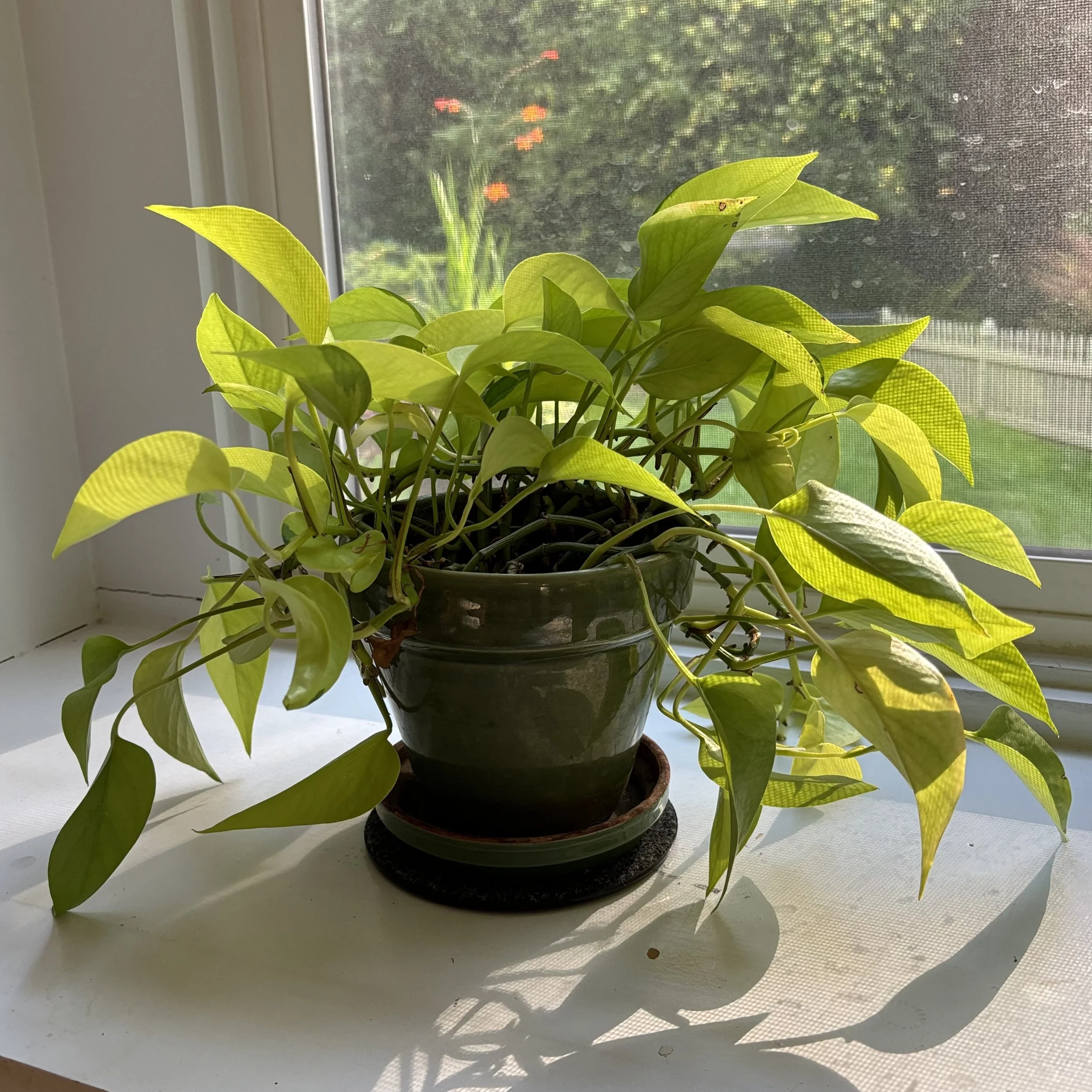
Pothos ‘Neon’
Pothos (Epipremnum) grows in a cheery mound with spade-shaped leaves that gently spread into trailing strands. For a bushier look, snip the strands’ ends but for a hanging basket effect, let the plant creep as it likes. Pothos loves indirect or partly-sunny light. The darker variegated varieties tolerate the lowest levels. Also, they like to dry out between watering. They can go for up to 10 days without water. And just as in their native Polynesia, they thrive in warm conditions, about 60 – 80 degrees.
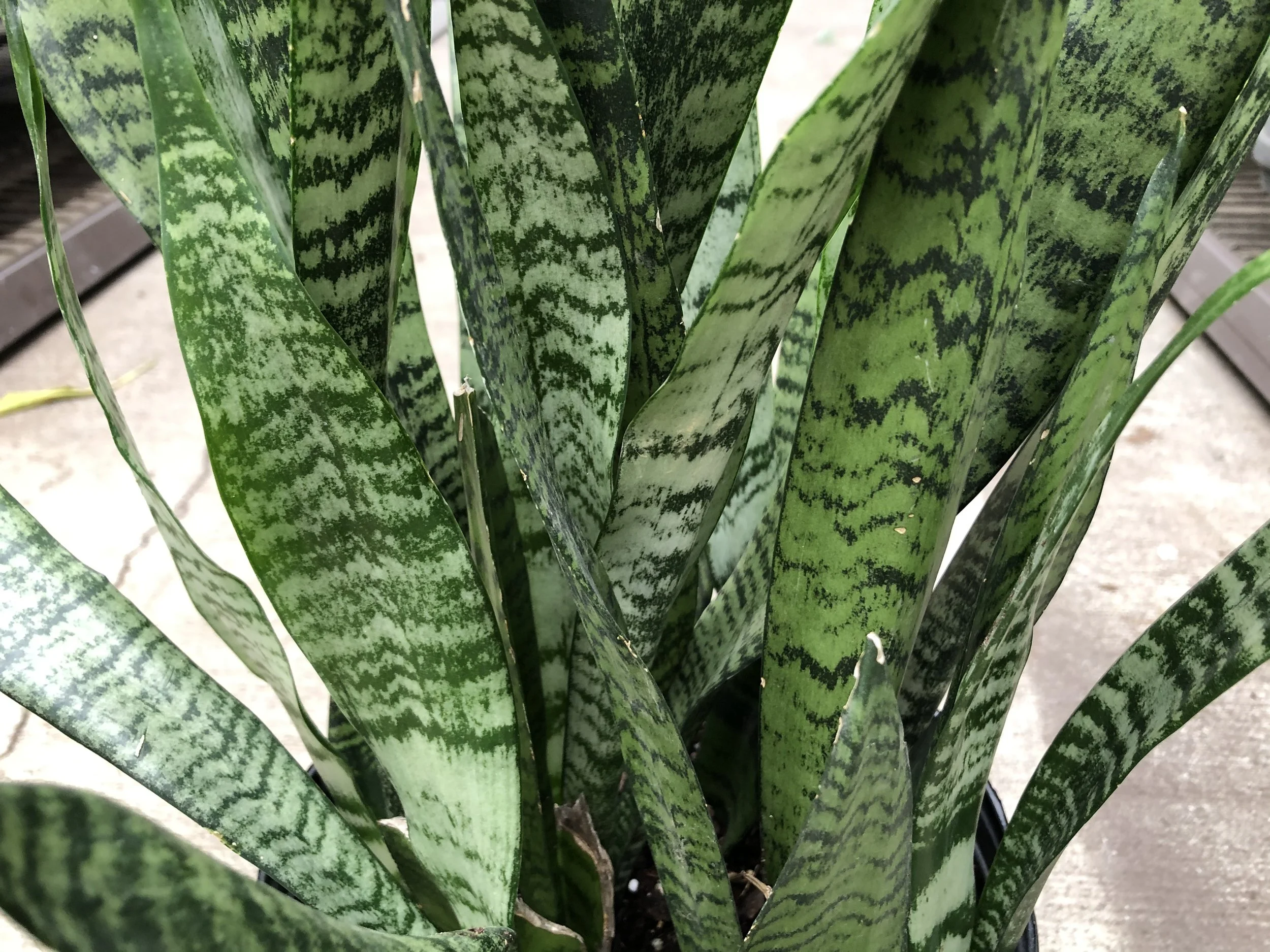
Snake Plant ‘Zeylanica’
Snake Plant (Sansevieria) shoots vertically up in long fleshy blades, almost like a grass for giants. The yellow-green cultivar is most common but for the lowest maintenance, choose Black Coral. It’s dark and dreamy. The blades grow up to three feet tall with bands of silver and light green cutting through the smokey blackish leaves. The dark quality means it holds more of a particular kind of chlorophyll that catches low-intensity light. So, if you set it a few feet from a window and soak the soil every few weeks, you’ll keep these African natives upright and happy.
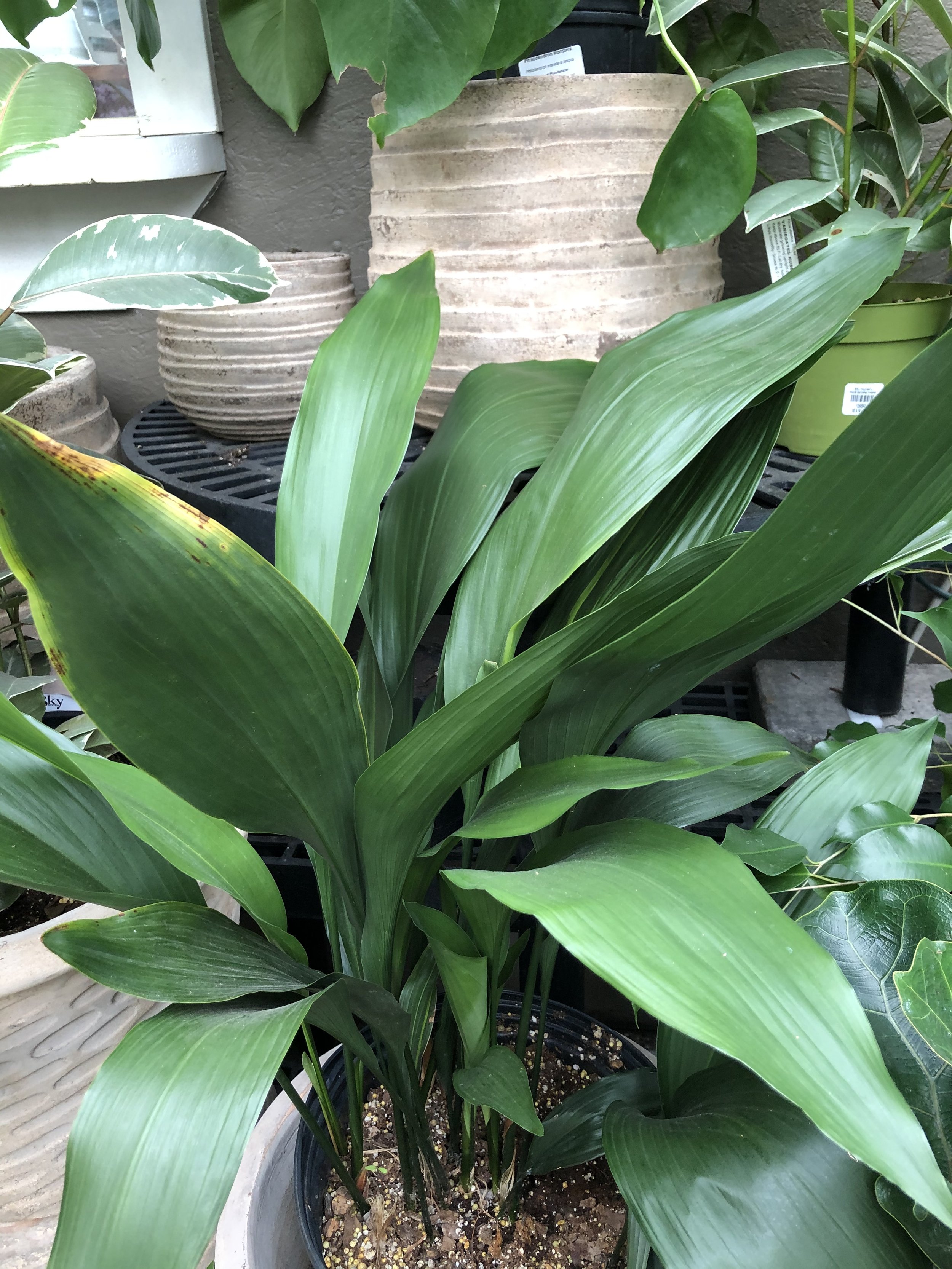
Cast Iron Plant
Cast Iron Plant (Aspidistra) certainly lives up to its name, though you won’t hear a clang if you knock on it. It’s just difficult to kill, not only tolerating low light but rare watering as well. Plus, the upshot is if you live in zone 7 or higher, you can grow it outside. But don’t expect Cast Iron Plant to grow quickly. In a way, it exists rather than grows. The Japanese native sends out upright leaves from rhizomes slowly, making fuller, more established plants on the costly side. Inside the home, place it in a north-facing window, water only when the soil is dry to the touch, and let it be a delightful cauldron of inky green.
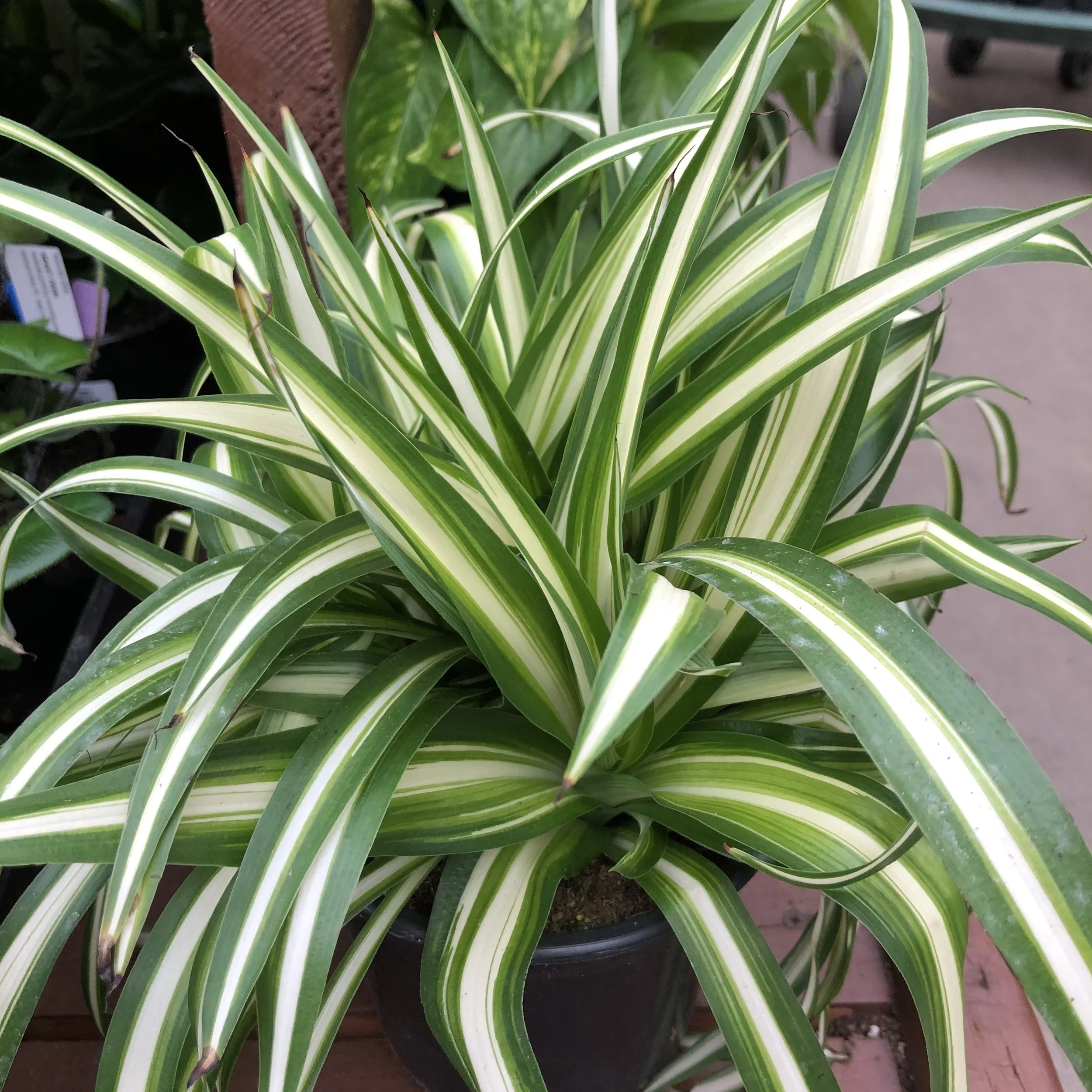
Spider Plant
Spider plants are a classic for a reason. They grow in a fountain-like shape with long, thin, variegated leaves that brighten any room. When happy, they produce a lot of "babies" or plantlets that hang at the edge of stalks from the mother plant. These South African natives like bright, indirect light but can adapt to lower light levels as well. Keep the soil continually moist but not waterlogged by checking it with your finger before watering. I usually water once a week, more if the air is dry from heating vents or warm weather.
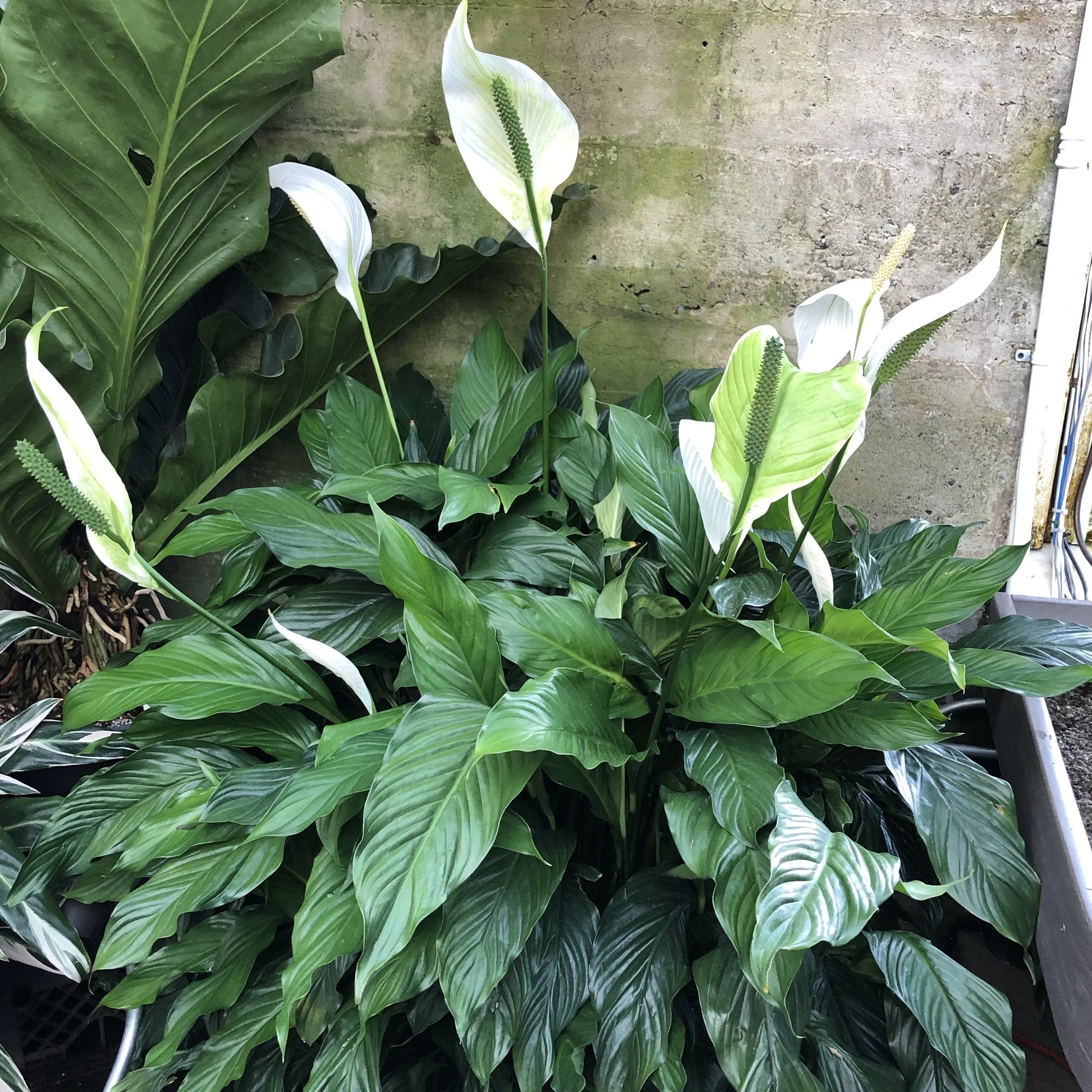
Peace Lily
Peace Lilies sport the glossiest green leaves, which, with their corrugation and graceful bushy, dense habit, makes for an enchanting, relaxing sight. But the Peace Lily’s super power is its air-cleaning abilities. It neutralizes carbon monoxide, benzene, and formaldehyde, those nasty gases that come from wood adhesives in furniture and fuel-burning appliances. It also likes indirect light and regular watering. I water mine every week. If a Peace Lily gets a fair amount of bright indirect light and fertilizer, it will bloom in elegant white spathes that resemble its lily-like name.
Overall, remember that house plants are really just tropical plants. They often grow on the floors of forests or jungles so think warmth, moist air, and indirect light. An organic potting mix should suffice for soil. In winter if in low light, some plants can benefit from a “grow” bulb in a lamp about a foot above their leaves. Apply an all-purpose organic fertilizer in spring. Remember, you’re their weather but with a bit of care, it should be easy to keep them happy. And then they’ll reward you with their lovely, soothing greenery.